
Weeds, Pests & Problems
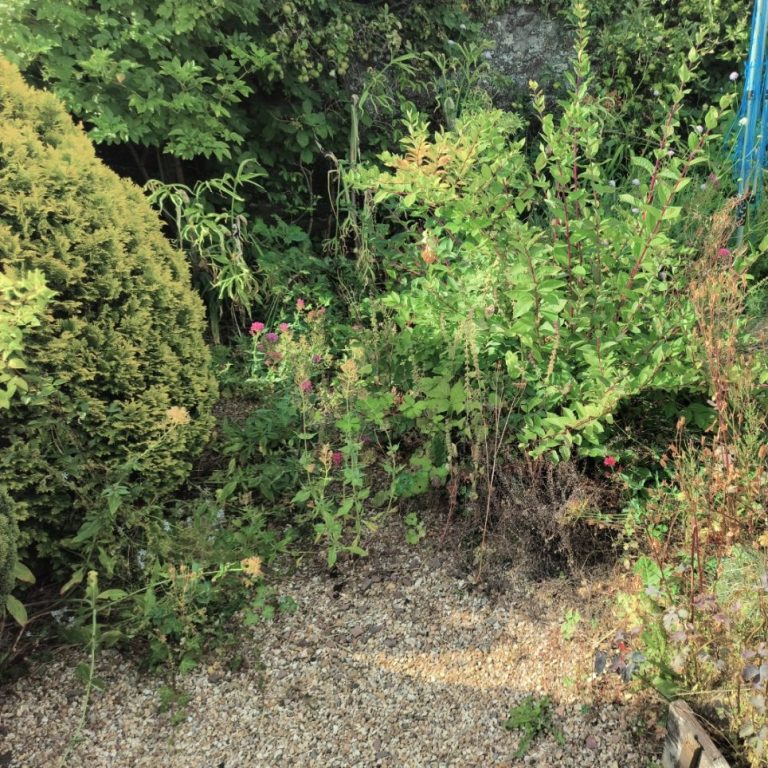
Weeds
Those pesky things pop up everywhere, don't they? More enthusiastically every year sometimes! But don't despair. Getting to know the common ones is half the battle.
Pests
Our gardens are buzzing with life, and most of them are wonderful! But yeah, some tiny adventurers will fancy a nibble on your prize plants. It happens! The good news is there are usually gentle ways to deal with them.
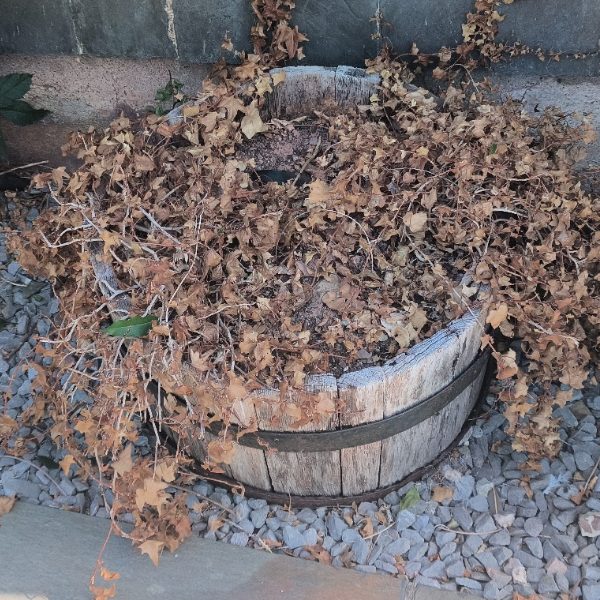
Problems
Even with the best intentions, our plants can get a bit moody. Our Somerset weather, with all its rain (and that sea mist we get along the coast!), can sometimes bring on a few sniffles. But a keen eye and a bit of know-how can usually sort them out.
Hello, Fellow Gardeners!
We think every garden has got a bit of magic, especially here in Minehead.
In our spot on the Somerset coast we have our own little microclimate, The sea air, the decent soil... it’s a pretty special place for plants and getting your hands dirty and growing the things you love.
Now, even the best of us run into pests or a plant looking a bit sad now and then.
It’s all part of the gardening adventure,
Here at Bailey Green we're here to help you figure things out, keeping your garden looking its best.
Weeds!
Those pesky things pop up everywhere,
More enthusiastically every year sometimes!
But Don't Despair!
Getting to know the common ones is half the battle.
• Creeping Thistle: Proper spiky and loves to spread those deep roots. Best to get them when they're small and the ground's soft – after a bit of rain is perfect. A gentle pull should do it.
• Ground Elder: This one spreads like mad, making a carpet where you don't want it. The trick is to get every last smidgen of root out otherwise it will grow back. Think of it as a never ending treasure hunt!
• Curled Dock: You'll spot these by their wavy leaves. They’ve got a long taproot, so give them a good firm tug, especially when the soil's damp and feeling helpful.
• Dandelions: Cheerful yellow flowers, sure, but those fluffy seed heads travel everywhere! Best to snip them off before they parachute all over your garden like an exploded pillow.
• Bindweed: Loves to hug your other plants a bit too tightly. You'll need a bit of patience – gently unwind it and try to get as much root out as you can.
• Stinging Nettles: Great for wildlife (and a good cuppa!), but a pain in your flowerbeds. Gloves on, and they usually pull out quite easily as the roots are shallow.
A few thoughts on weeding:
Honestly, sticking on some tunes and doing a bit of hand-weeding can be quite relaxing.
Mulch is your best friend here, a good layer of bark chips or your own compost keeps weeds down, holds moisture in, and makes everything look tidy.
And the golden rule?
Get them while they're small. Saves so much faff later on.
Problems
When Plants Feel a Bit Off Colour
Even with the best intentions, our plants can get a bit moody.
With our Somerset weather, all its rain (and that sea mist we get along the coast!),
can sometimes bring on a few sniffles.
But a keen eye and a bit of know-how can usually sort them out.
• Powdery Mildew: Looks like someone’s dusted your leaves with white powder. It often pops up when it's warm and damp and plants are too crowded. Give them some breathing space – good air circulation helps a lot.
• Rose Black Spot: You'll see dark spots on rose leaves, and they might drop off. Try to water the soil, not the leaves, and maybe look for tougher rose varieties if it's a recurring issue.
• Blight (especially on tomatoes & spuds): Can come on fast, making leaves go yellow and black, particularly in our humid summers. Picking blight-resistant types is a good shout. If you see it, get rid of affected leaves straight away (and don't chuck them in the compost!).
• Root Rot: Usually happens if plants are sitting in too much water. Make sure your soil drains well, and pots definitely need drainage holes. Plants hate soggy feet!
• Ash Dieback: Sadly, this is a big problem for our ash trees here in Somerset. If you've got ash trees, keep an eye out for thinning leaves or dark patches on branches. If you're worried, it’s always best to get a tree expert to have a look.
A few good habits to keep plants healthy:
Keep things tidy by removing dead or diseased bits. Water at the base of plants in the morning so leaves can dry. Give them enough room to grow – everyone likes their personal space! And remember, happy soil means happy plants; look after your soil, and it'll look after your plants. Choosing varieties that do well locally is always a smart move too.
Pests
Pesky Critters
Our gardens are buzzing with life, and most of them are wonderful!
But yeah, some tiny adventurers will fancy a nibble on your prize plants. It happens!
The good news is there are usually gentle ways to deal with them.
• Slugs and Snails: Classic night-time munchers, especially when it's damp. A torch lit hunt after dark can be surprisingly effective! Beer traps work a treat (they’re not fussy about the brand!), or try gritty barriers around precious plants. And let’s hear it for our local hedgehogs and birds – they’re on our pest-control team!
• Aphids (Greenfly/Blackfly): Those tiny little blighters that cluster on new shoots. You can often just blast them off with a jet of water from the hose. Even better, invite ladybirds and hoverflies to the party – they think aphids are delicious!
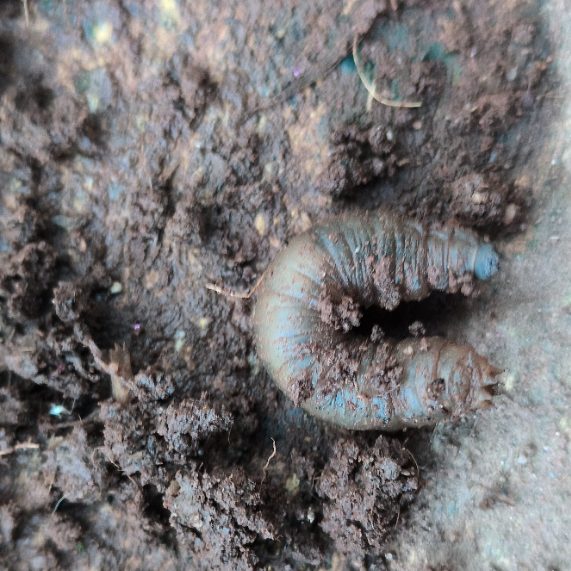
• Vine Weevil: The adult beetles nibble little notches in leaves, but it's their C-shaped grubs in the soil that cause the real mischief, especially in pots, as they munch on roots. Nematodes (good microscopic worms) are a great natural way to deal with the grubs in containers.
• Box Tree Caterpillar: These can strip the leaves off box plants incredibly fast. Keep a close eye on your box. Hand-picking helps if you catch them early. We can also suggest some eco-friendly treatments if it gets serious.
• Lily Beetle: You can't miss these bright red beetles! Both the adults and their grubbier offspring love to munch on lilies and fritillaries. Again, good old hand-picking and dropping them into a bucket of soapy water is often the best bet.
• Chafer Grubs: If you see patches of your lovely lawn turning yellow and dying, these C-shaped grubs feeding on the grass roots might be the culprits. Nematodes can help here too, just like with vine weevil.
Our best advice for pests? Just keep an eye on things. The sooner you spot a problem, the easier it is to sort. Encourage nature’s little helpers like ladybirds and frogs. Remember, healthy plants are much better at fending for themselves. Sometimes a simple net can protect young plants. And if you do need to use a spray, always go for the kindest option you can find and follow the instructions to the letter. We're happy to point you in the right direction.
Gardening here in Minehead and the surrounding area, with our Fantastic Woodland Views and Fresh Sea Air... We hope these pointers give you a bit of confidence to tackle whatever your garden throws at you. Remember, every gardener, no matter how long they've been at it, learns something new every day. Embrace it, enjoy the beauty, and know we're always happy to chat, advise, and celebrate your successes!
Happy Growing!